Contents
- Contents
- Smart Glass LCG
- Low E glass
- Double Glazed Units
- Laminated Glass
- Float (Annealed) glass
- Toughened (tempered) glass
- Wire mesh glass (Georgian wired)
- Obscured glass
- Self cleaning glass
- Mirrors
- Tinted glass
- Security glass
- Screen printed glass
- Thermal break & window frames
Smart Glass LCG
Smart Glass aka LCG – Light Controlled Glass, is a type of glass that when either heat, light or voltage is applied the light transmission properties of the glass are altered. There are 2 types of smart glass
- Active: Changes in glass properties require an electrical charge. types include polymer dispersed liquid crystal (PDLC) think privacy partitions. Suspended particle Device (SPD) think windows that tint in vehicles and buildings.
- Passive: Does not require electricity to change, Photochromic Glass often seen in eye glasses that auto tint in the sunlight, ThermoChromic glass, windows that change when the temp of the weather changes.
Low E glass
Low emissivity glass more commonly referred to as low e glass emits low levels of radiant thermal energy. Low e glass absorbs, reflects and emits radiant energy.
The E in low e glass stands for emissivity which means how well a surface such as glass in this case emits energy as thermal radiation.
Radiant energy is transferred by electro magnetic radiation such as heat from the sun, light, and radio waves.
Low e glass is made in 2 ways, one is a soft coat low e which is made by a process called sputtering. Basically atoms are ejected from a solid target by bombarding the target with energetic particles this process applies a thin coat of silver to the already manufactured glass. Inside the coating chamber there are positive ions and glowing plasma which are attracted to a negatively charged target, such as the silver coating, the ions strike the target with such a force that the material deposited onto the glass is injected atom by atom. This process is known as soft coating because the coating is delicate and must be protected inside of the sealed unit.
The second way low e glass can be manufactured is called hard coating. Hard coating is made when a low emissivity layer of indium tin oxide is applied to the glass when it is still in its molten stage and just beginning to harden. Due to the high temperature of production these low e coatings are sometimes referred to as pyrolytic low e.
Whilst low e glass will cost 10 to 15% more upfront than standard float glass the long term energy savings outweigh the initial investment typically by as much as up to 30% to 50% on heating and cooling costs p.a.
It reduces energy costs by keeping heating inside of your home and the cold outside your home during the winter months and the heat outside of your home during the summer months.
It reduces destructive ultra violet rays from getting into your house, whilst it won’t block out 100% of uv rays it will stop the sun from damaging your carpets, blinds, furnishings, etc.
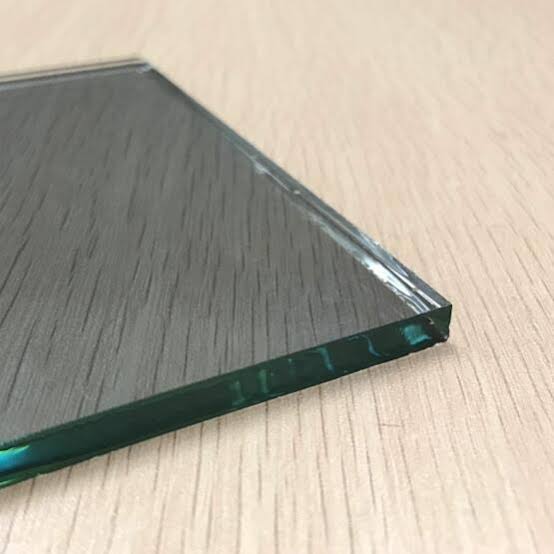
Low e glass is darker than float glass and under certain conditions can give off a natural gray haze, more noticeable in direct sunlight or viewed against a dark back drop, in most other viewing conditions this haze is not noticeable.
It is recommended to fit either all low e or all float glass in windows as side by side the 2 glasses can appear different as low e reflects more colour than standard float.
Double Glazed Units
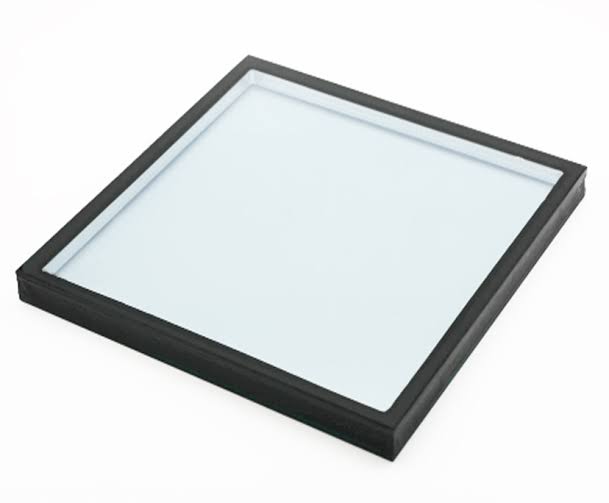
A insulated glass unit (IGU) is a combination of multiple glass panes into a single window system. Double glazed is 2 panes of glass, the 2 panes of glass are separated by a spacer and a still layer of air or gas. *window frames are required to be modified to fit the IGU.*
Typically argon gas is used in the gap between IGU’s for its low conductivity properties aiding in improving insulation.
IGU’s include a spacer which is a spacer known as a polymere strip separating the two pairs of glass. Typically the strips contain a desiccant (drying agent) to remove any moisture that may become trapped in the air space.
IGU’s are energy efficient and can assist with sound proofing. The sealed air gap adds a extra layer of insulation, added thermal resistance keeps your home cool in the summer and warm in winter and because IGU’s hold heat so well they save you money on energy bills in the long term.
IGU’s help to reduce the build up of condensation inside of the house which can help prevent mould.
IGU’s are a better option than a single pane window. From a security standpoint two panes of glass are harder to break than a single pane. And for even greater benefits can be achieved with the use of low e and safety glass.
The IGU is only as good as the frame that holds it, if the frame is poorly made or poorly installed it will allow air to enter or escape around the glass thus any benefit that the unit offers will be lessened, quality thermally enhanced aluminium frames are a must. If the IGU air gap is not sealed properly or if the spacer does not have enough desiccant inside it can reduce performance and allow for condensation build up inside of the unit.
Typical spacing between the glass ranges from 6mm to 20mm, a minimum of 12mm spacing is recommended for optimum thermal performance.
Laminated Glass
Laminated glass (also known as vlam if you shop with viridian!) is a safety glass, safety glass is a glass that has been designed with safety in mind. There are (as of this writing) 3 types of safety glass available today including laminated glass, tempered (toughened) glass, and georgian wired glass (not recommended). I will cover more on the above safety glasses in future blog posts but for now back to lam.
Basically laminated glass is made up of 2 pieces of glass for example say 3mm float glued together with a plastic layer of what is called polyvinyl butyral (PVB), making the glass 6.38mm thick (6.38 lam is commonly used). Once glued together the glass is then heated and pressed to strengthen the bonding and to allow for curving and shaping.
An obvious benefit of using lam over float is that the glass is now thicker and therefore stronger, lam glass offers additional soundproofing and energy saving benefits.
If laminated glass is broken the PVB layer holds the broken shards of glass together preventing what would otherwise be dangerous shattering and falling glass shards.
Laminated glass along with other other types of safety glasses are usually found in areas with close human contact, think shower screens, car windscreens, skylights, around door entryways, etc.

Float (Annealed) glass
Glass in its rawest form is made of sand, soda ash and limestone which is heated up in a furnace to melting point, the soda ash is added to the sand to lower the sands melting point 1600°c(2900°f), this is energy saving but has one major drawback the glass would dissolve in water (not good!). The limestone counters this side effect and the end result is soda lime silica glass.
Float glass is made when molten glass is poured from a furnace into a chamber of molten tin, the glass floats on top of the tin and forms itself to the shape of the chamber, the temperature inside the chamber is carefully monitored. The upper surface is called the air (or score) side and is polished with fire! The lower side is the tin side.
From the chamber the glass goes into a lehr(oven) where it is slowly cooled (annealing) relieving the glass of internal stresses, the cooling rate is critical to the success of the final product. The glass emerges from the lehr in a long ribbon cool and ready to be cut and packed.
Annealed glass is commonly used in 4mm small and mid sized window applications, it can be supplied from 2mm and up to 19mm thick, for larger windows it is recommended to use a safety glass.
Toughened (tempered) glass
Toughened glass falls under the safety glass category, it is processed by controlled thermal treatment or controlled chemical treatment which increases its strength greatly over normal float glass. Tempering causes the glasses outer surface to go into compression and the inside to go into tension. Stress like this causes the glass to shatter to a million pieces when broken instead of breaking into dangerously sharp shards, you are less likely to be hurt from breaking toughened glass because of the smaller pieces, less likely but it can still cut you!
Toughened glass is required to be cut to size before tempering as once it is tempered it can’t be re worked. Trying to work the glass after the toughening process has taken place because of the balanced stresses will cause any type of strong impact to shatter the whole piece of glass. Toughened glass is weakest at the outer edges where the stress is greatest, one well timed hammer tap on the corner and boom.
Annealed glass posses a possible security threat over float, any would be criminal can break the window and come straight in, whereas breaking float glass and having the risk of injury from the jagged edges of broken float may make Mr criminal think otherwise.
Toughened glass can just randomly explode years after its manufacturing date, this can be caused by any number of things, from incorrect installation to what is called a nickel sulfide defect.
So how do you tell the difference between float and toughened glass? Toughened often has smooth edges, slight surface imperfections from manufacturing visible to the naked eye, often toughened glass will have a sticker on one of the corners stating that the glass is toughened, you can also tell by using a pair of polarised sunglasses, if you see darkened shady lines or spots on the surface through the polarised lenses it is toughened.

Wire mesh glass (Georgian wired)
Georgian wired glass was popular in older government buildings around the 1970’s. it was released as a early safety glass, jump forward to 2020, 50 years later there are much better options on the market today and it is generally not often used.
The wire inside of the glass helps to keep the glass together but it is also more dangerous, upon breaking the glass and wire break in irregular patterns. It is extremely hazardous and unpredictable.
It is made with wire mesh embedded inside of it. The mesh inside of the glass greatly increases the fire rating to the point it is actually more heat resistant than most other glasses e.g the pvb layer in laminate glass. Seeing the wire in the glass straight away tells you that the glass is a fire resistant glass (within reason).

Obscured glass
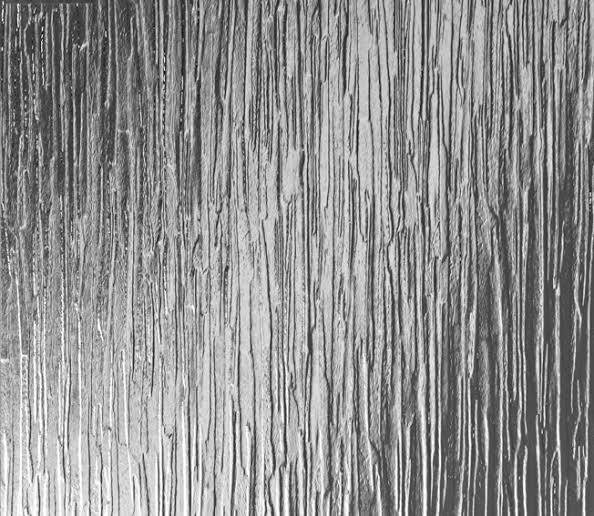
Acid etching (aka french embossing) – is one of the oldest decorative glass techniques. The process requires a mineral called fluorite to be heated, upon heating the fluorite produces hydrofluoric acid, when this hydrofluoric acid is applied to the surface of the glass it erodes the top layer leaving a frosted appearance, as seen below. Acid can also be etched in parts to create decorative patterns onto the glass surface.

Sandblasted glass – sandblasting is the process of shooting sand at a surface in for example glass with force using either a machine or by hand. The impact of the sand on the surface of the glass erodes the surface of the glass, this process creates a rough surface and gives off the translucent quality of frosted glass.
Sandblasted glass can be patterned simply by masking off the area with an adhesive vinyl and sandblasting, the surface underneath the mask will not be affected.
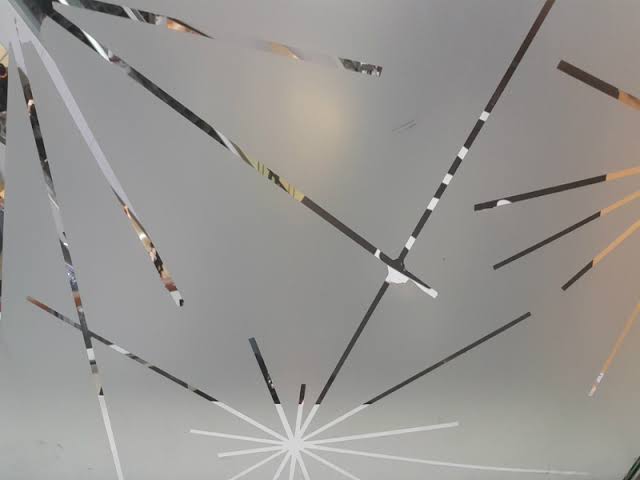
Patterned glass – is also known as figured glass, obscure glass, and decorative glass. Patterned glass is made by passing heated glass over big rollers that have patterns on them. The pattern is rolled onto one or both sides of the glass in the manufacturing process while the glass is soft and still semi malleable. There are hundreds of different glass patterns out there. Formed kiln glass is the process of taking a piece of glass and firing it over a pattern inside of a kiln until it melt forms itself to the pattern design.
Self cleaning glass
self cleaning glass, it sounds too good to be true but yes it is actually a thing and has been a thing for just over 20 years at the time of this writing. In this blog post we will take a look at how it works, how its made, the benefits and the drawbacks.
Basically self cleaning glass is made by putting a microscopic coating of titanium dioxide (titania) on the surface of the float glass before it is completely cooled. The titania coating cleans the glass in two ways:
1. it uses the sunshine to decompose the organic dirt. Titanium dioxide is reactive to sunlight it absorbs the uv rays from the sun and releases electrons which help speed up the decomposition of dirt and grime. The amount of sun the glass receives impacts the time it takes self cleaning to work, self cleaning can take anywhere from days, weeks or even months without adequate sunlight(UV).
2. It transforms regular water droplets into sheets of water. During the time it takes to decompose the dirt and grime the free radicals (molecules) produced by the titania will slowly transform leaves, feathers, insects and other organic matter which builds up on the glass into simple compounds. These compounds sit loosely on the glass until sheets of rain wash the compounds away.
Self cleaning glass is only going to be effective when installed in areas that have access to direct sunshine and frequent rainfall, rooftop skylights are ideal spots in residential applications. Self cleaning glass will save you time in cleaning but only if the glass has access to adequate sunshine and rainfall. Dont put away your glass cleaner just yet though, you will still need to clean the glass on the inside of the house.
Mirrors
Mirrors can be found everywhere today, in your bathroom, your car, in the dressing rooms at the clothing store and on the walls at the local gym, mirrors have a heir of mystery about them some mirrors are very beautiful in appearance and put up on display as works of art, humans have been fascinated by mirrors for centuries. The oldest mirror is the reflective surface of calm water.
Mirrors are made by spraying(or silvering) metal usually silver or aluminium onto the back of a glass sheet, the silver backing creates a reflective surface through the glass and the mirror is made.
The first man made mirrors can be dated back to 600B.C. where the surface of a obsidian stone was polished to create a reflective surface. What came next was mirrors that were made by polishing a piece of bronze metal to create a reflective surface for people to look into, these mirrors were very expensive in the early times and made only available to the rich. The first glass backed mirror was made using blown glass with a crude lead backing. After this the method of mirror silvering was discovered, many different methods of silvering have been tried and tested over the years as technologies have evolved and changed to get mirrors to where they are at today.

Tinted glass
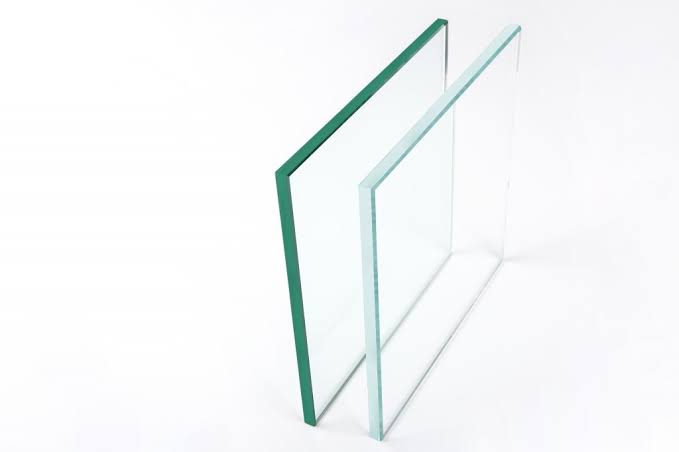
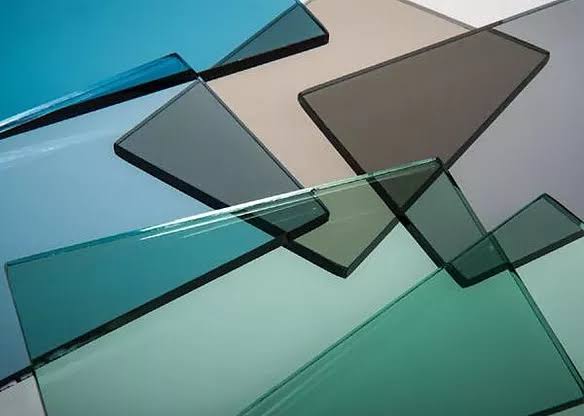
Factory tinted glass is made when small amounts of metal oxides are added into the float or patterned(rolled) glass depending on the metal oxide added you can expect tint colours ranging from bronze, green, blue and grey. Most float glass usually has a small amount of iron oxides from production which gives it a slightly green hue particularly noticeable when viewed from the side. More iron oxides equals greener glass, cobalt and iron added together give the glass a blue tint, cobalt and selenium are added for bronze and neutral (aka grey) tints.
There is another method used in the tinting of Windows it involves the application of a window tint film onto the surface of clear glass this process is usually done manually by a trained window tinter. The aftermarket tinting process can have added benefits over the factory tinting process, aftermarket tint is usually made from a polyester film comprising of multiple layers, there is a adhesive coating layer, layers containing metal particles, layers containing dyes, and a final layer that contains a scratch resistant protection film.
Similarly to the process of factory tinting glass different types and amounts of metals & dyes are added to the tint in the manufacturing process to alter the colour, the amount of light that shows through and the reflective properties.
There are some benefits to tinting windows including the obvious one of adding extra privacy to your home or vehicle, tinting will make your home more energy efficient, tinting reduces the glare inside, tinting protects the home occupants from the harmful uv rays of the sun, there can even be a added safety benefit from tinting your home, the tint acts like a protective layer holding the glass together in case of a accidental break or a forced break in.
Not all tints are created equal however and some tints can be a little too dark affecting your view in certain light conditions this can be especially dangerous in vehicles, other tints may block the sun out of your home in winter when you want the added warmth it provides, some tints can look aesthetically un-appealing in particular the DIY specials, and some can even affect the insurance on your home or vehicle. While these are not ultimate dealbrakers it’s something to think about when considering the tinting of your windows.
Security glass
There are a couple of different levels of security glass available on the market today, ranging from a low level security glass that is capable of withstanding constant blows from basic hand tools for 60 to 120 seconds. This glass is ideal for use in jewellery stores, art galleries, low security detention centres and airports.
Stepping up to a mid level security glass which is designed to withstand constant blows with basic hand tools for 5 to 30 minutes, the blows will just bounce off the glass. This glass is commonly found in prisons, police cells, detention centres and court houses.
Lastly (at the time of this writing, and to the best of my knowledge) the strongest of the strong is a security glass that is bullet proof, explosion proof, just about everything proof. This security glass can withstand continuous hand tool blows for up to 60 minutes and still hold up. This glass is found in banks, embassies, court houses, panic rooms, armoured vehicles. Military applications.
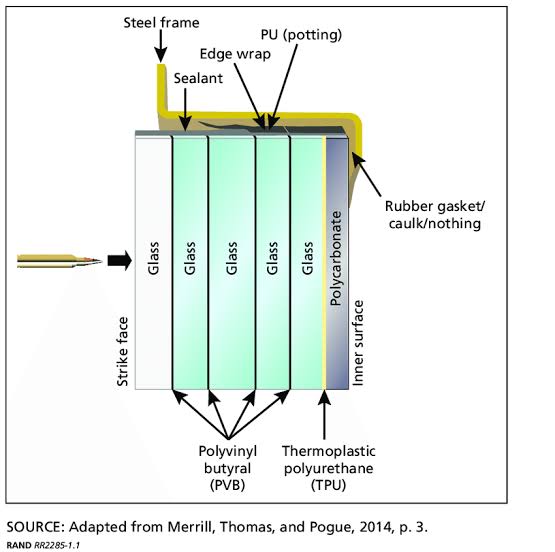
So what makes security glass so strong? Bullet resistant glass is made from layers of laminated glass the more layers of glass the more protection it offers on the safe side of the glass there is a 3mm polycarbonate layer, polycarbonate is a type of thermoplastic which prevents spalling on bullet penetration, when the bullet penetrates glass the layers of glass rob the projectile of its energy and momentum until it is finally stopped.
Bullet proof glass is heavy and extremely thick. It has been around since world war 2 where it was used on tanks and other combat vehicles.
Screen printed glass
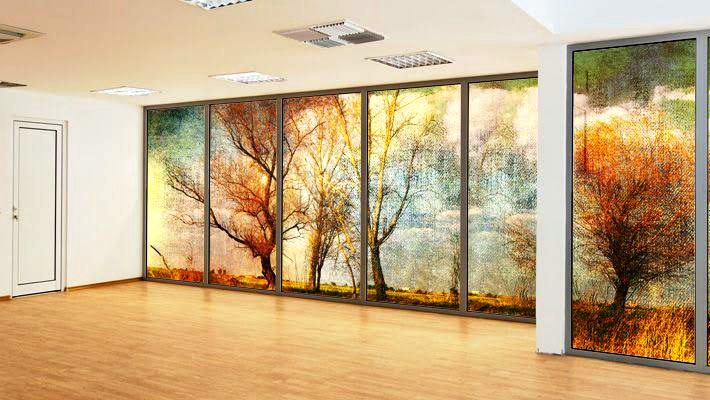
Screen printed glass is the process of printing a chosen image onto the surface of the glass. The process involved as of my understanding on the subject is that you take a piece of glass, cut it to the required size, a image template is created onto a stencil, which is then placed onto the glass surface, next ink is spread across the mesh screen using a squeegee, the stencil design blocks the ink from penetrating certain areas. Where there is no stencil blocking the surface the ink is forced through the mesh screen and onto the glass, the end result of this process is a high quality image on the surface of the glass.
Each colour in the image requires a separate screen to be set up before application. After the ink is applied to the surface of the glass the glass is then tempered(heated up) too but not hotter than 520°c, 480°c is the recommended sweet temp to bake the image onto the glass surface. Too hot and the glass will begin to warp. After the tempering process is completed the ink is baked onto glasses surface, the heavier the ink is the higher the images durability.
Thermal break & window frames
Double glazed units to the glass world is thermally broken to the metal/aluminium frames world. One can work without the other but to get the most energy efficiency (and value of money) out of your windows your going to want to install them both.
Standard metal & aluminium frames are both strong conductors of hot and cold. Meaning if you was to install IGU’s throughout your entire house in standard frames you would still loose or gain a great deal of heat through the frame itself. This actually reduces the efficiency of the igu window and has the added possibility of creating continued condensation which will eventually lead to mold.
This is where thermally broken frames come to the party.
a thermally broken frame has the addition of a reinforced polyamide strip (non metallic, composite, structural, material) fixed between the inside and the outside of the aluminium window frame, this strip creates a insulated barrier inside of the window frame.
 TLWE Glazing & Doors